 Colouring Nest
Characteristics of effective learning: EYFS poster, prompts and observation sheet
Free printables for nursery and Reception practitioners and childminders in England on the three characteristics of effective teaching and learning: a display poster, three prompt cards with questions to ask and ways to support each one, and an observation sheet organised by characteristic. A4 PDFs (US Letter too), clear in black and white.
Inside this set
- 3 printables
- A4 and US Letter PDFs
- Free, no sign-up
About this resource
Ages 1–5, prep, what you need and how to use it
- Ages
- 1 to 5 years (toddlers, preschool, school start)
- Prep
- Print and go: a few minutes.
- You’ll need
- Printer and paper (card for the prompt cards)
- Scissors for the prompt cards
- Supports
- EYFS (England)
How to use it in the room
- Put the poster up for the team.
- Keep a prompt card in your pocket during play.
- Use the observation sheet only for a child you want to understand better; there is no need to write everything down.
Show resources for
Remembered on this device only. It sets A4 or US Letter as the first download.
The three characteristics, in plain words
The EYFS asks practitioners to think about how a child learns as well as what they learn. The September 2026 framework calls these the characteristics of effective teaching and learning (earlier editions said “effective learning”, which is still how most people search for them). Paragraph 1.18 names three:
- Playing and exploring: investigating, experiencing things and having a go.
- Active learning: concentrating, keeping on trying when something is difficult, and enjoying what they achieve.
- Creating and thinking critically: having their own ideas, making links between ideas and finding ways to do things.
Those summaries are ours, close to the framework’s own short descriptions. The characteristics run through all seven areas of learning: a child building a den is practising physical development and maths, but the characteristics are about whether they planned it, kept going when it fell down and came up with a better way. At the end of Reception, teachers may add a short comment on each child’s characteristics to the Profile for the Year 1 teacher (paragraph 2.16), so notes from the year help.
1. Characteristics of effective learning poster
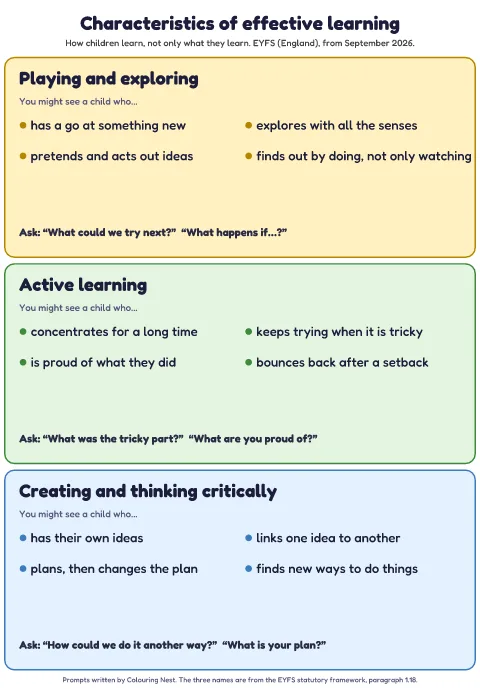
All three on one display poster, each in its own colour band: four things you might see a child doing, and two questions to ask. Put it near your planning board or in the parents’ area to explain why you value the den that took all morning.
2. Prompt cards (one per characteristic)
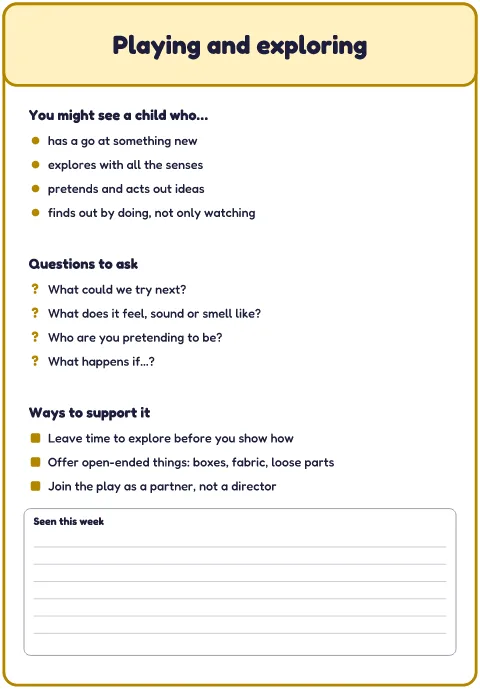
One page each: “You might see a child who…”, four questions to ask, three ways to support it, and a ruled “Seen this week” box. Laminate them for the staff room or put one in each room so everyone uses the same language when they talk to children and families.
Advertisement
3. How I learn: observation notes
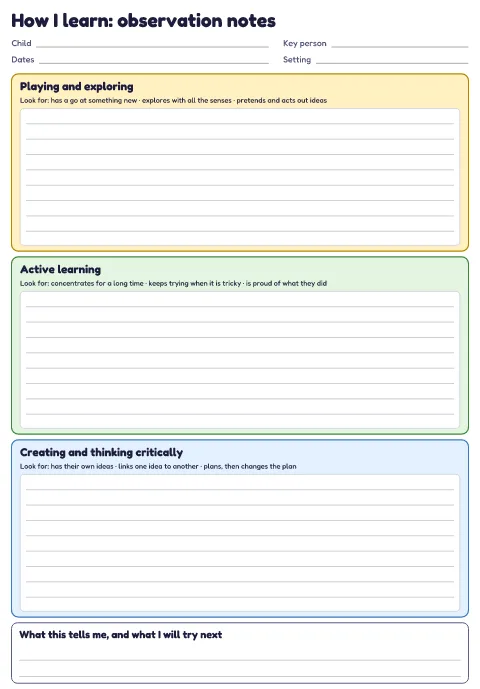
A page per child for a few weeks: one band per characteristic with a short “look for” line, space for quick notes and quotes, and a box for what it tells you and what you will try next. Useful before a parents’ meeting, a transition to Reception or the end-of-year comment for Year 1.
Using them without extra paperwork
The framework is clear that assessment should not take you away from the children or need excessive paperwork, and that there is no requirement to keep written records of day-to-day observations (paragraphs 2.2 and 2.5). Use these sheets only where they help your thinking: a prompt card in your pocket during play, or one sheet for a child you want to understand better. For the other side of the picture, the EYFS observation templates cover the seven areas of learning, and the UK early learning page lists printables by area.
Related sets
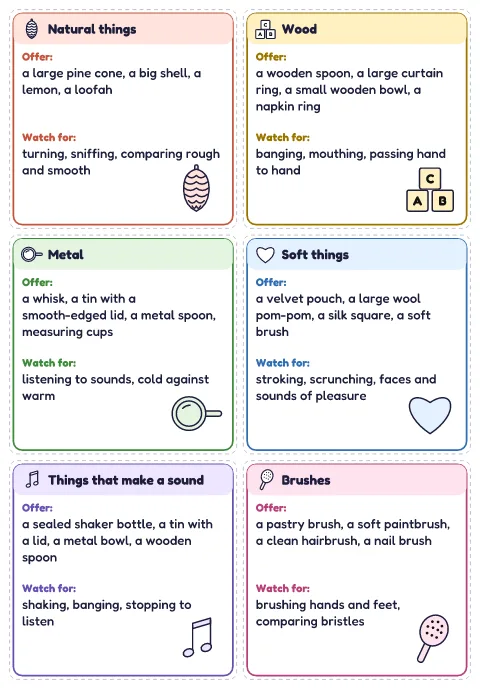 Treasure basket and heuristic play idea cardsCards · ages 0–2
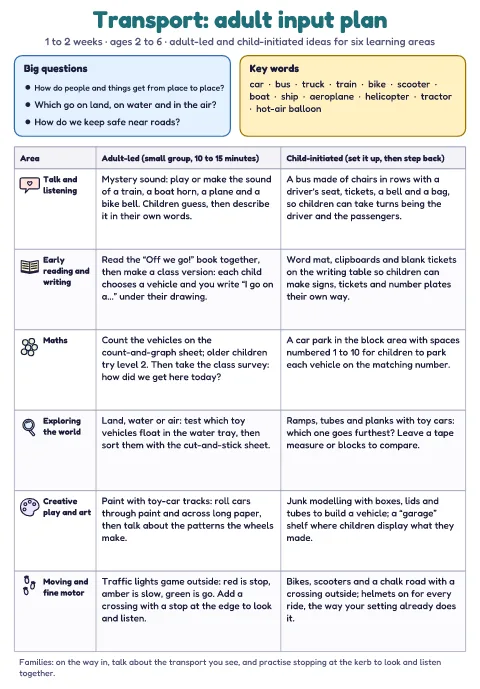 Transport topic pack: plan, word cards, road safety, sortsTemplates · ages 2–6
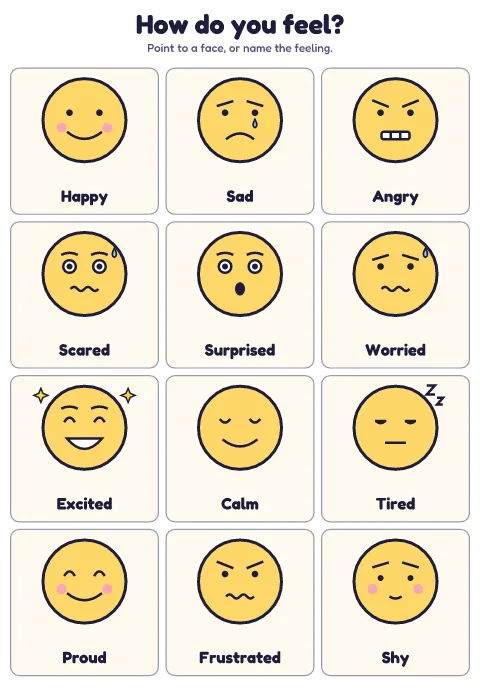 Visual timetable, now and next and feelings chartDisplays and charts · ages 2–6
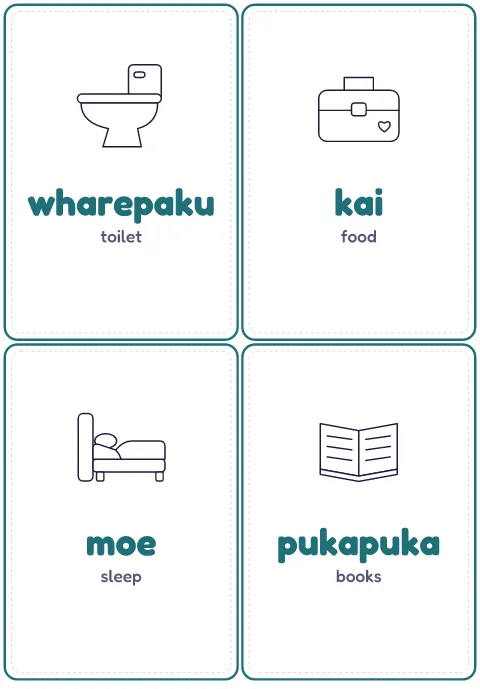 Te reo Māori room labels, greetings, shapes, feelingsDisplays and charts · ages 1–6
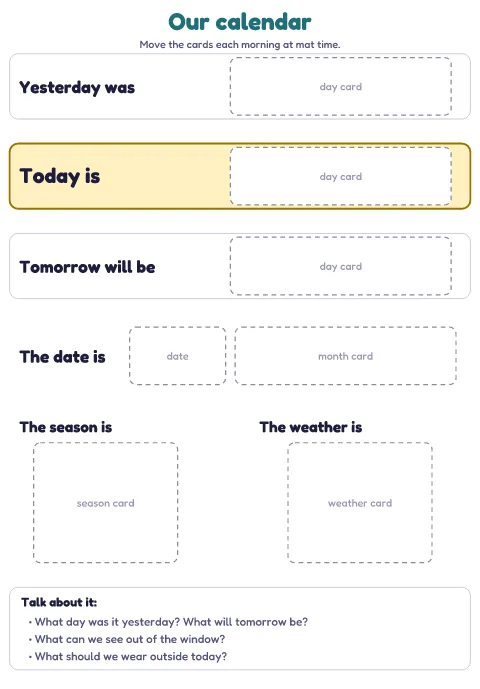 Circle-time calendar and weather boardDisplays and charts · ages 3–6
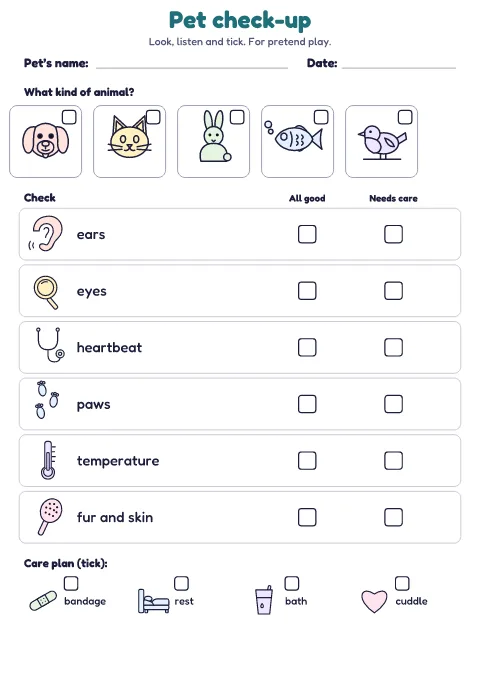 Vet role play: check-up form, appointment cards, signsDisplays and charts · ages 2–6
Questions
What are the characteristics of effective learning in the EYFS?
Playing and exploring, active learning, and creating and thinking critically. From September 2026 the framework calls them the characteristics of effective teaching and learning (paragraph 1.18).
Are the characteristics of effective learning assessed?
They are not scored. At the end of Reception, teachers may add a short commentary on each child’s characteristics to the EYFS Profile to help the Year 1 teacher.
Can I use these with babies and toddlers?
Yes. The characteristics apply from birth: a baby exploring a treasure basket is playing and exploring. The prompt cards work for any age in the EYFS.
Are the printables free?
Yes, for your own setting or school. Please don’t resell them or upload them to another site.
Sources
- EYFS statutory framework for group and school-based providers, from September 2026 (DfE) (dated 13 July 2026, effective 1 September 2026; read 2026-11-11)
- Development Matters: non-statutory curriculum guidance for the EYFS (Department for Education)