 Colouring Nest
Free early childhood resources for New Zealand (Te Whāriki)
Free printables for kaiako in New Zealand early learning services, and for parents: displays, cards, worksheets and colouring pages for children from birth to school entry. They are organised by the five strands of Te Whāriki, use NZ spelling and the NZ handwriting style, and print on A4 paper.
Show resources for
Remembered on this device only (nothing is sent to us). It puts your country first and sets A4 or US Letter as the first download.
Te Whāriki in plain words
Te Whāriki is New Zealand’s early childhood curriculum. A whāriki is a woven mat: the Ministry of Education uses the image to show how every part of a child’s learning is woven together by kaiako and whānau. The curriculum is built from four principles, five strands, goals and learning outcomes. Since 1 May 2024 the framework is set in three pathways: Te Ara Whānui (the 2017 English-medium document most services use), Te Ara Māori (an interpretation from a Māori world view) and Te Whāriki a te Kōhanga Reo. A licensed service chooses Te Ara Whānui or Te Ara Māori, not both; kōhanga reo follow their own pathway.
The four principles are Empowerment | Whakamana, Holistic development | Kotahitanga, Family and community | Whānau tangata, Relationships | Ngā hononga. Our printables sit under the strands, because that is where a resource helps day to day.
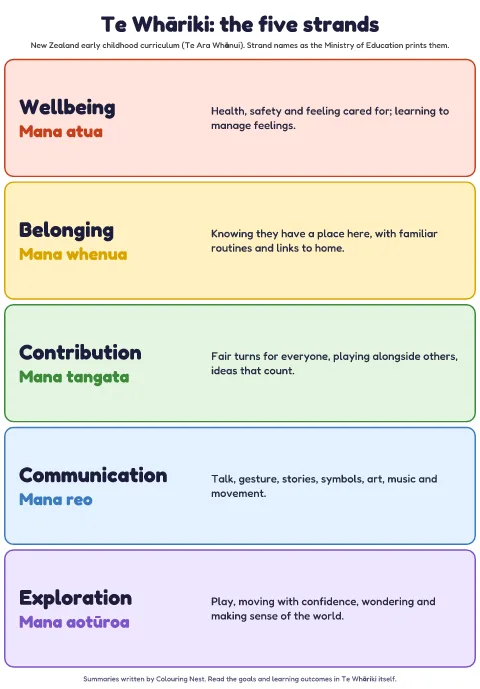
| Strand | What it is about | Start with |
|---|---|---|
| Wellbeing | Mana atua | feeling safe, cared for and able to manage feelings (our summary) | emotion cards |
| Belonging | Mana whenua | knowing they have a place, and comfortable with routines and regular events (our summary) | visual schedule cards |
| Contribution | Mana tangata | being treated fairly, playing alongside others and having their ideas valued (our summary) | all about me sheets |
| Communication | Mana reo | language, stories, symbols and expressing ideas in many ways (our summary) | NZ handwriting letters |
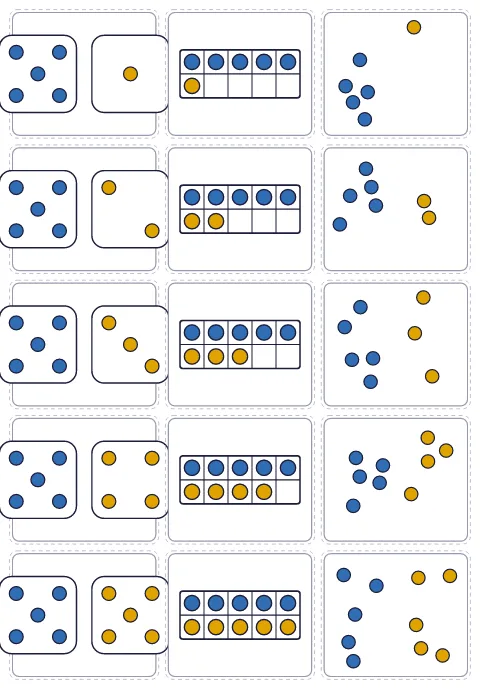
| Exploration | Mana aotūroa | play, moving with confidence and making sense of the world (our summary) | ten frames and counting |
New: learning story template with strand tick boxes, whānau voice sheet, planning sheet by strand and a strands poster (free A4 PDFs).
The strand descriptions are our short summaries; read the goals and learning outcomes in the Ministry’s Part A document. A printable can support a strand; it does not meet a learning outcome on its own. That comes from how a child uses it, and what you notice and document.
Advertisement
Te reo Māori on our pages
Licensed services must acknowledge and reflect the unique place of Māori as tangata whenua (regulation 43, see the Ministry of Education: Early learning curriculum framework (regulation 43)). Our te reo resources are growing, and we would rather be slow than wrong:
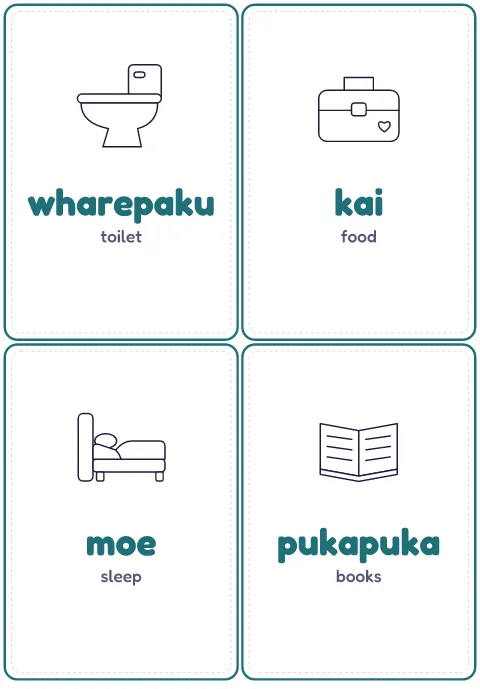
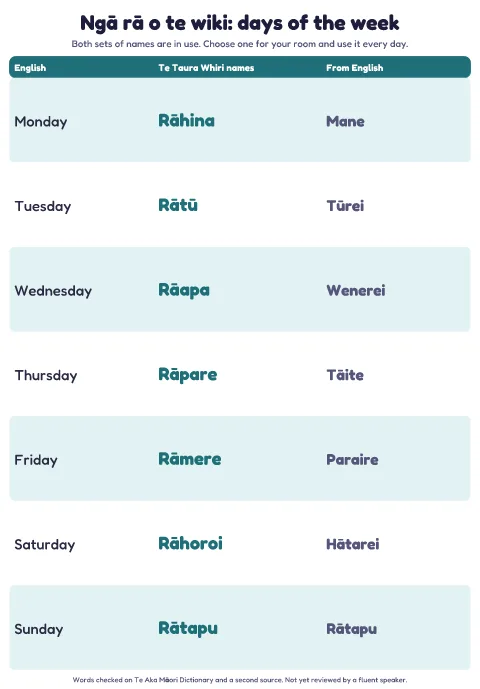
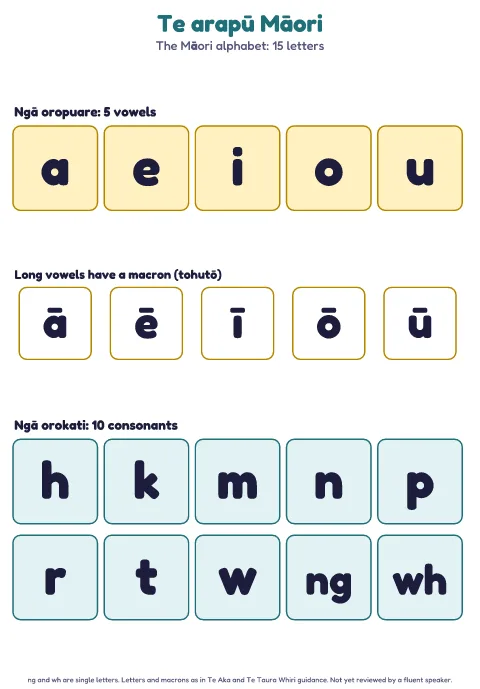
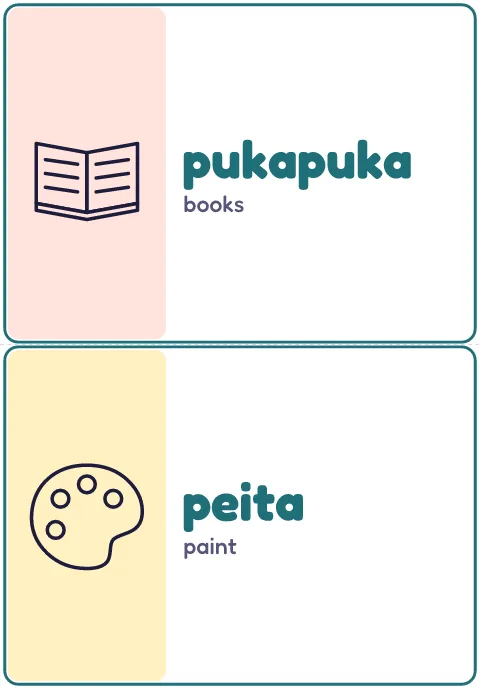
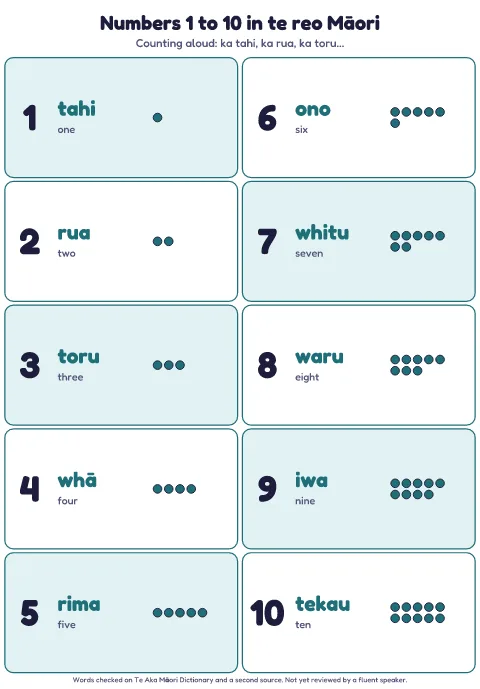
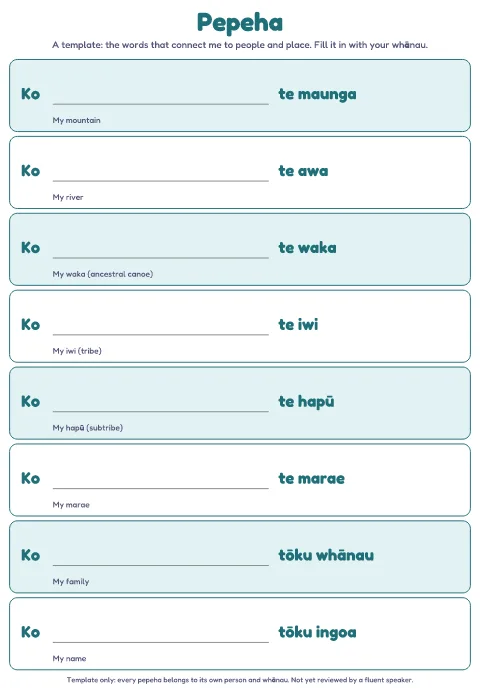
- Te reo Māori for early learning: bilingual room labels, greetings, shapes and feelings, with sets for numbers 1 to 10, days and months, the alphabet and a pepeha template (structure only, plus a version for any family, and mihi prompts).
- Te reo Māori colours chart and the colour-by-word rainbow: eleven colour words, each linked to Te Aka Māori Dictionary so you can hear it said, with notes where word lists differ.
- Matariki colouring pages with the nine stars, each name checked on two sources.
- Every Māori word on our pages is checked against Te Aka and a second source (a Ministry of Education document, or Te Taura Whiri i te Reo Māori’s own dictionary and guidelines), with its macrons. A fluent speaker has not yet reviewed these pages, and each te reo page says so; corrections are welcome.
- We do not publish karakia or waiata, Māori pattern art, or anyone’s pepeha (our template gives the structure only). Those belong to iwi, Māori artists and each whānau. Your local iwi, your service’s own kaiako and Ministry publications are the right sources.
Starting school in New Zealand
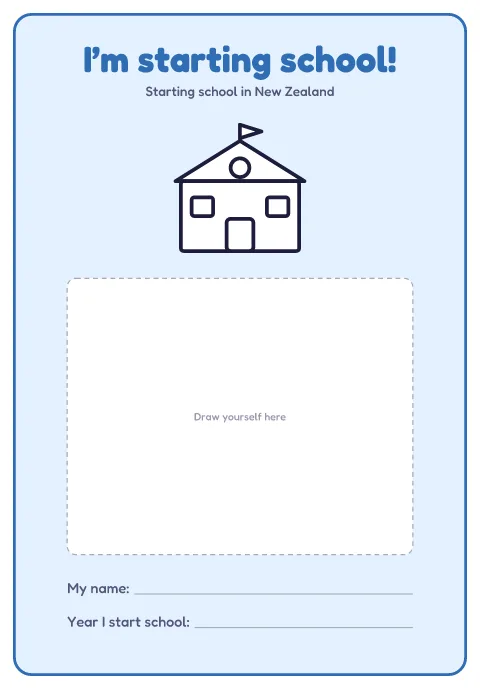
Children can start school on or after their fifth birthday and must be enrolled by six. Many schools start new entrants on their birthday; schools that use cohort entry start them in groups on set dates at the beginning and middle of each term (Ministry of Education: Cohort or group entry for children starting school; govt.nz: How to enrol your child at school in NZ). For the transition, the first day of school sheet and I have grown use NZ spelling; the NZ handwriting letters match the style taught in NZ schools.
Term dates for 2027, with every public holiday and anniversary day, are on the 2027 New Zealand calendar (A4).
The year in an NZ centre
- February: Waitangi Day (6 February).
- April: Anzac Day (25 April).
- June: Matariki, a public holiday on Friday 25 June 2027.
- September: Te Wiki o te Reo Māori; the week’s dates are set each year by Te Taura Whiri i te Reo Māori: Te Wiki o te Reo Māori.
- Through the year: Pacific language weeks; dates from the Ministry for Pacific Peoples: Pacific language weeks. We link to their resources rather than make our own.
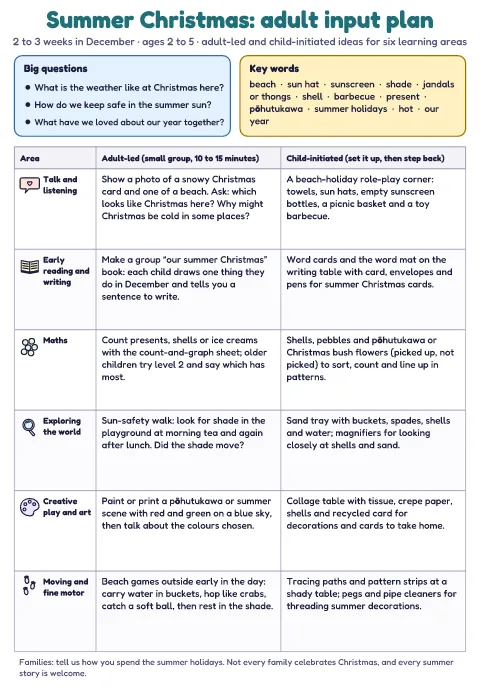
- December: a summer Christmas and the end of the school year: the summer Christmas early years pack has a plan, sun safety and an end-of-year certificate. For making, the Christmas craft templates include a summer set (jandals or thongs, and pōhutukawa flowers) in three levels.
Printables by learning area
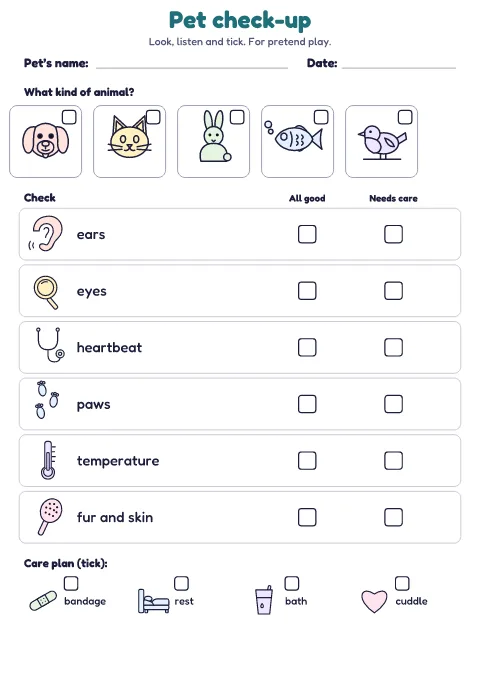
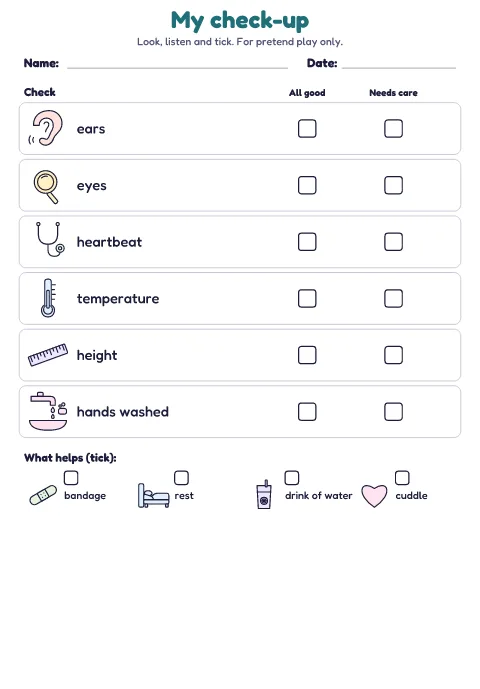
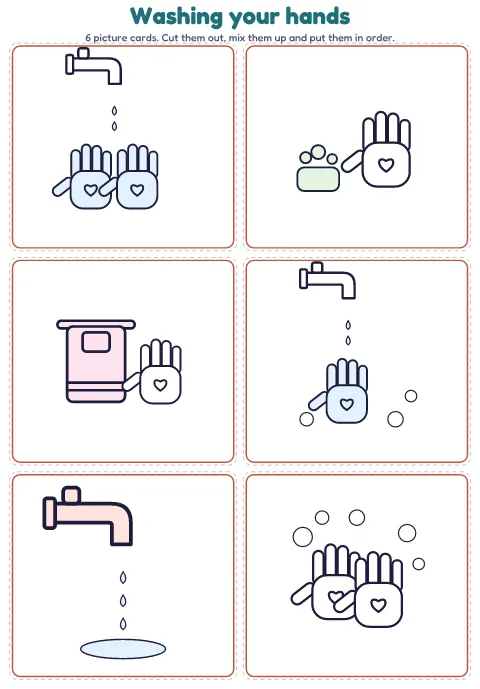
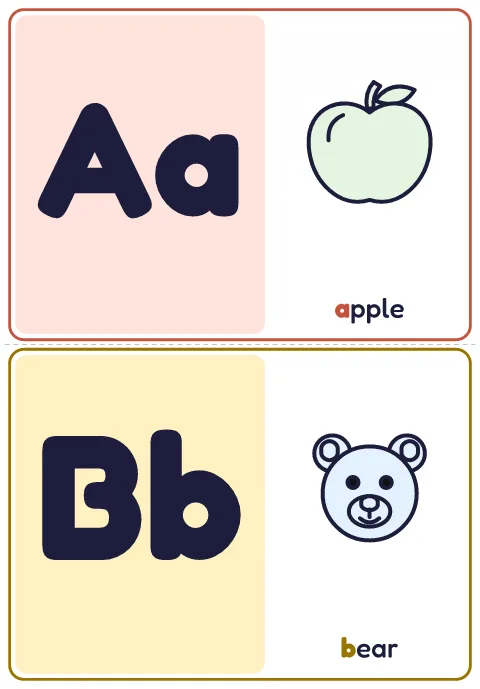
300 printables: 284 in 42 sets and 16 single sheets, plus 1 page collections such as letter tracing A to Z, free for New Zealand (12 of the sets and sheets made for it). Pick an age, area or type to narrow the list.
| Learning area | Can support (Te Whāriki) | Start with |
|---|---|---|
| Language and literacy | Communication | Mana reo | NZ handwriting letters, NZ alphabet chart, Letter of the week (NZ handwriting) |
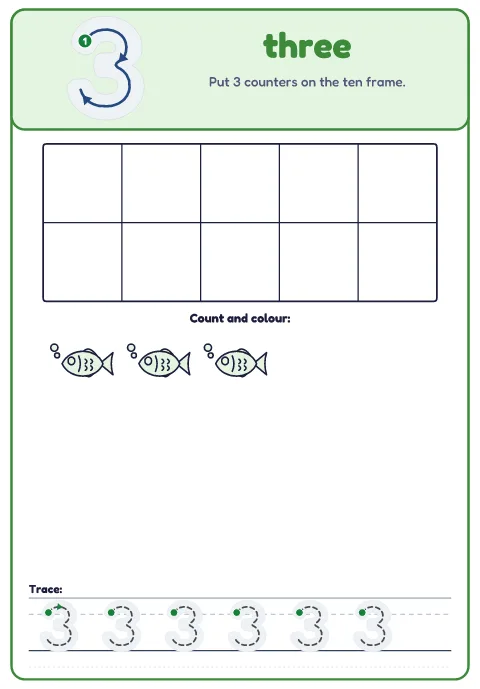
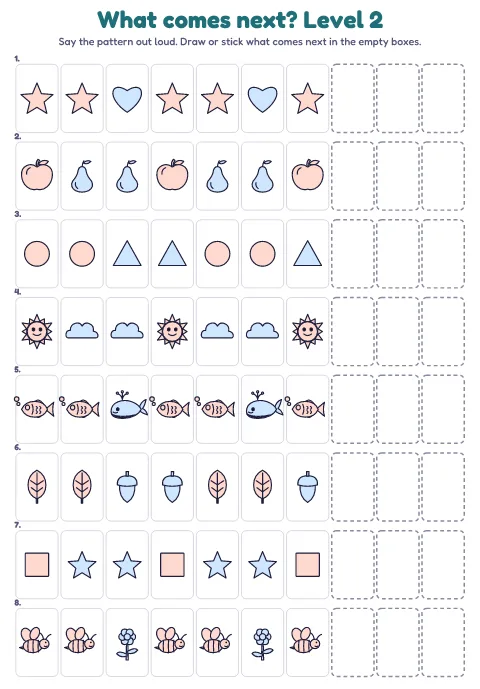
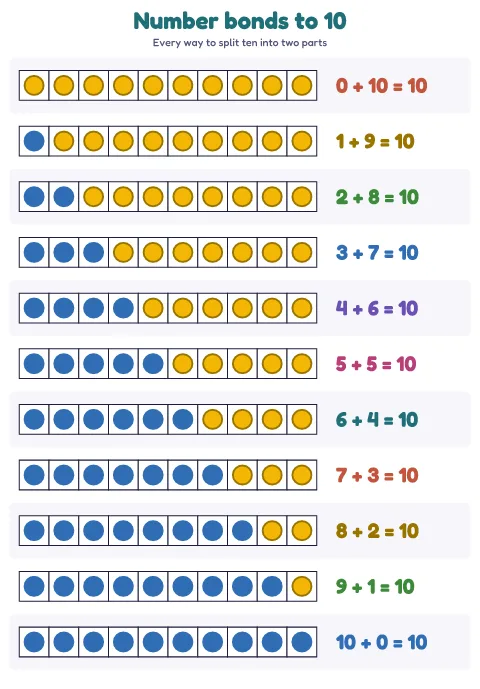
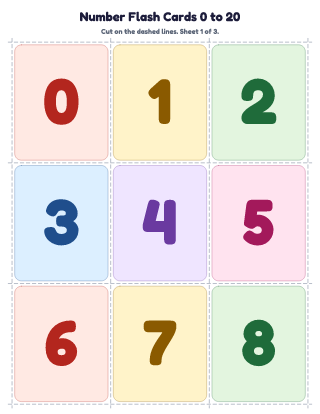
| Maths and numbers | Exploration | Mana aotūroa Communication | Mana reo | Counting mats 1–20, Ten frames, Pattern cards |
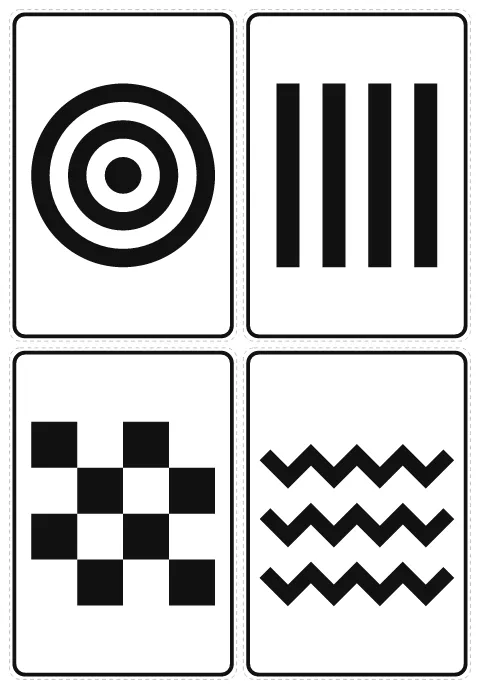
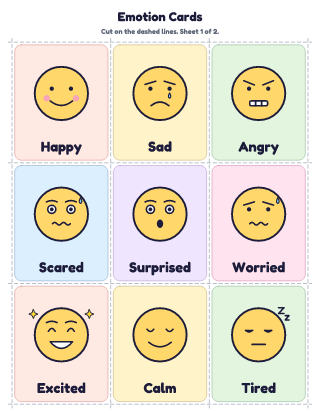
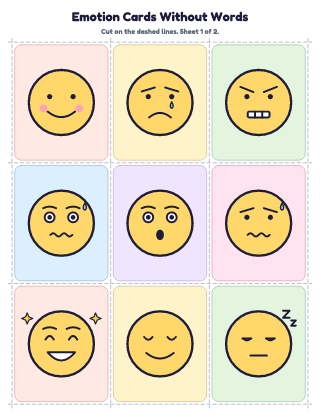
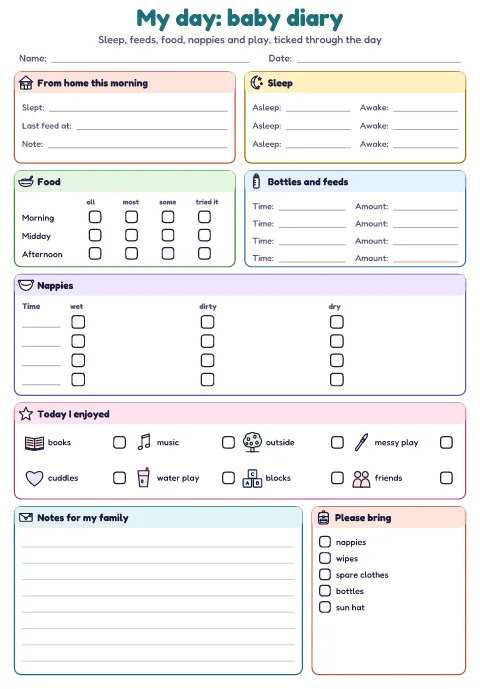
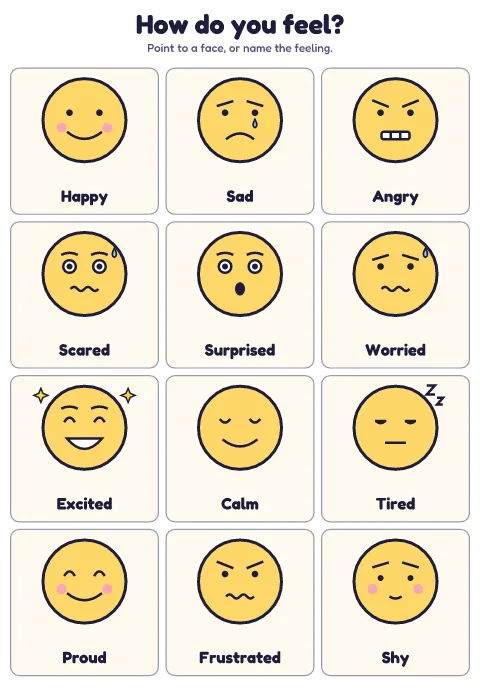
| Feelings and wellbeing | Wellbeing | Mana atua | Feelings chart and check-in, Emotion cards, Emotion cards without words |
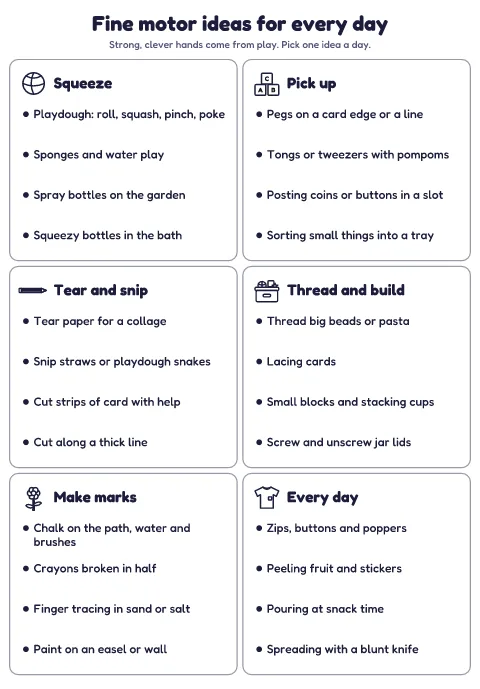
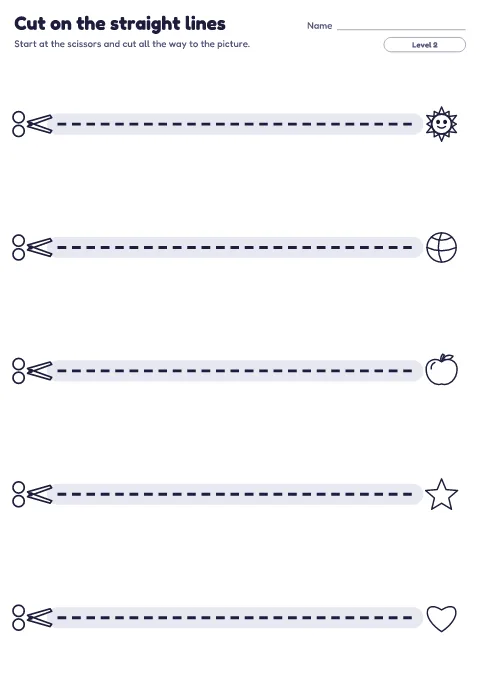
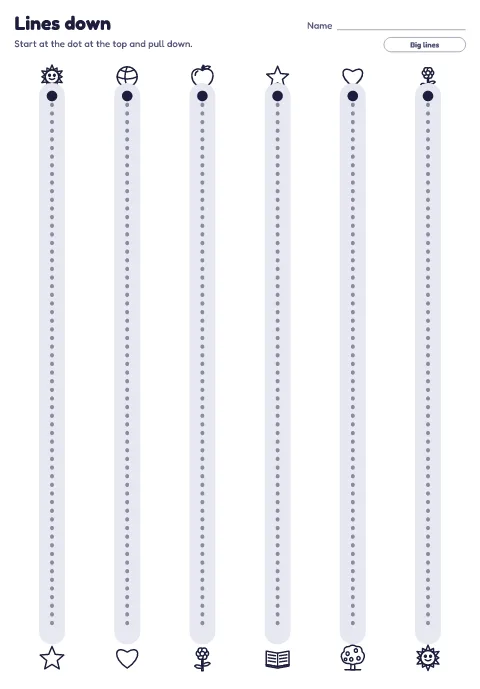
| Fine motor and pre-writing | Exploration | Mana aotūroa Wellbeing | Mana atua | Cutting practice (5 levels), Playdough mats, Letter and number tracing |
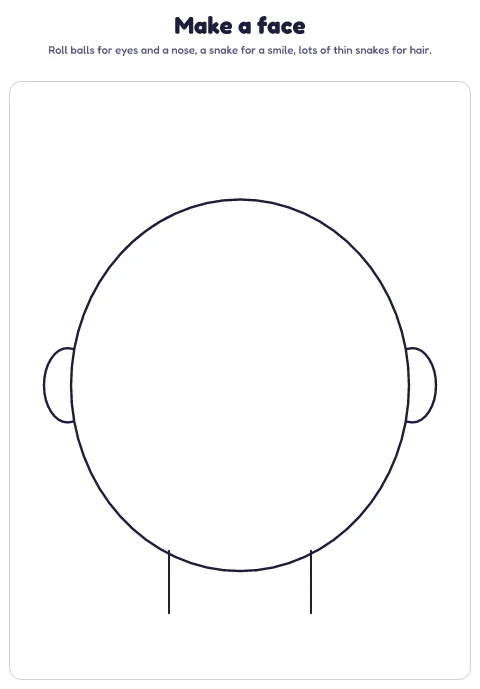
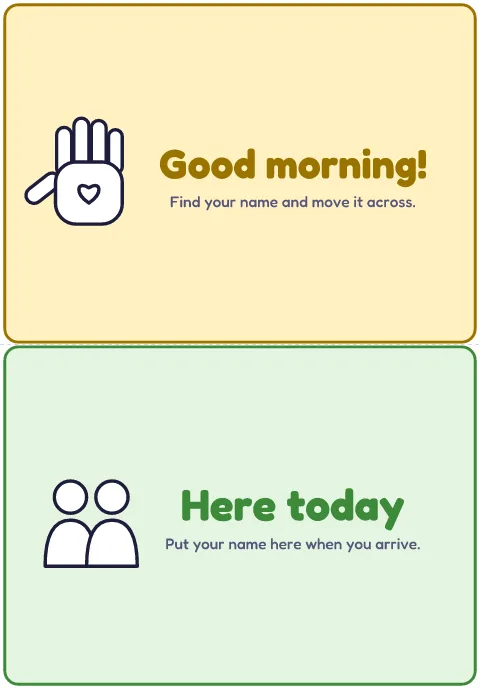
| Identity and belonging | Belonging | Mana whenua Contribution | Mana tangata | All about me (NZ and AU spelling), Te reo Māori classroom displays, Self-registration and birthday chart |
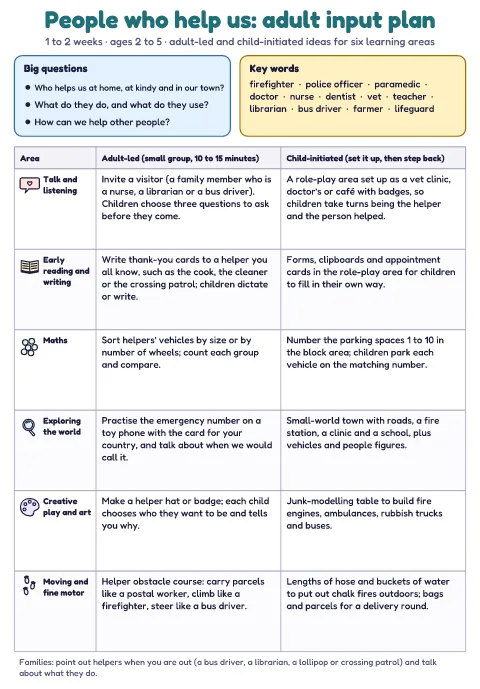
| Exploring the world | Exploration | Mana aotūroa | Matariki colouring pages, NZ birds and summer pages |
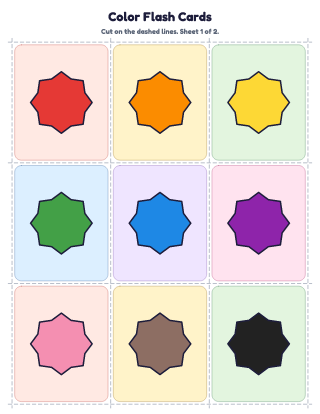
| Creative arts | Communication | Mana reo | Te reo Māori colour by word, Colour flash cards |
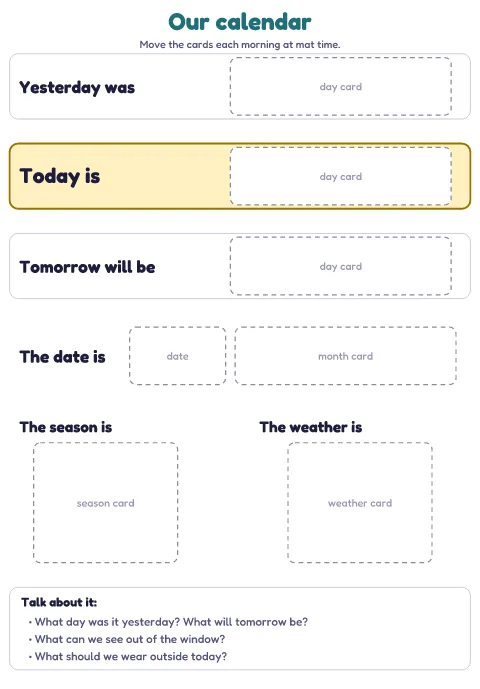
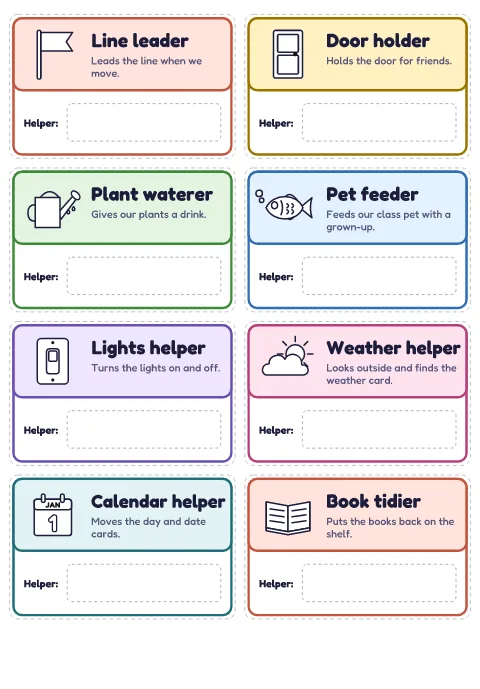
| Routines and transitions | Belonging | Mana whenua Wellbeing | Mana atua | Visual timetable and now and next boards, Calendar and weather board (southern seasons), Helper chart and job cards |
Filter resources by age, learning area, resource type, language and paper
Language and literacy
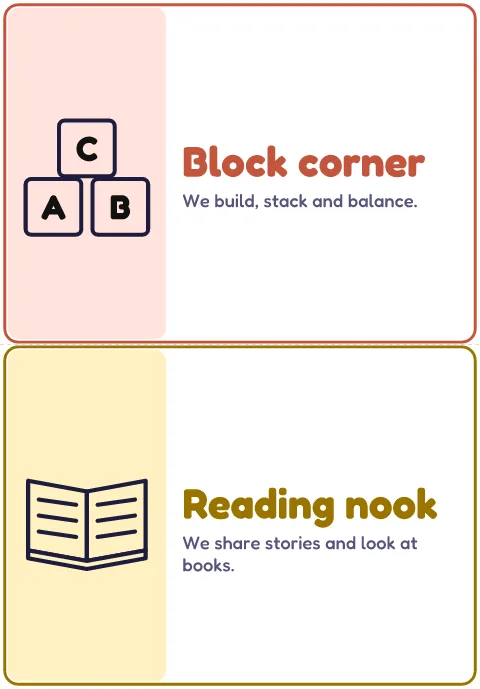
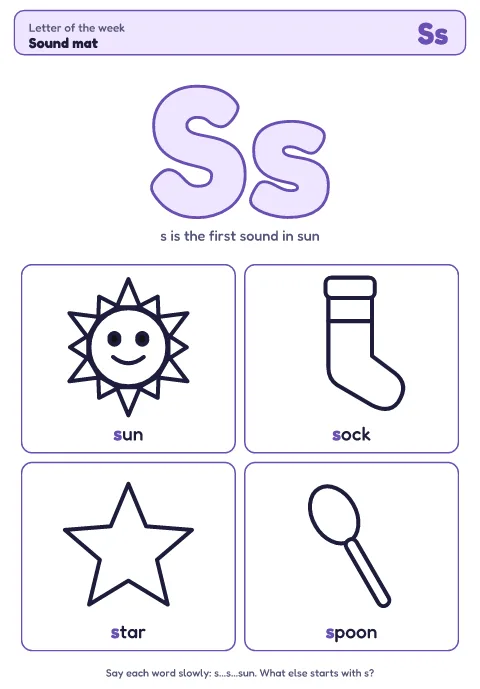
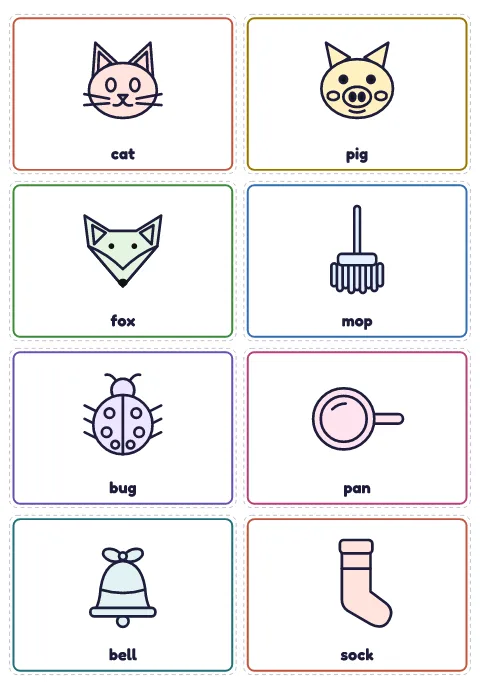
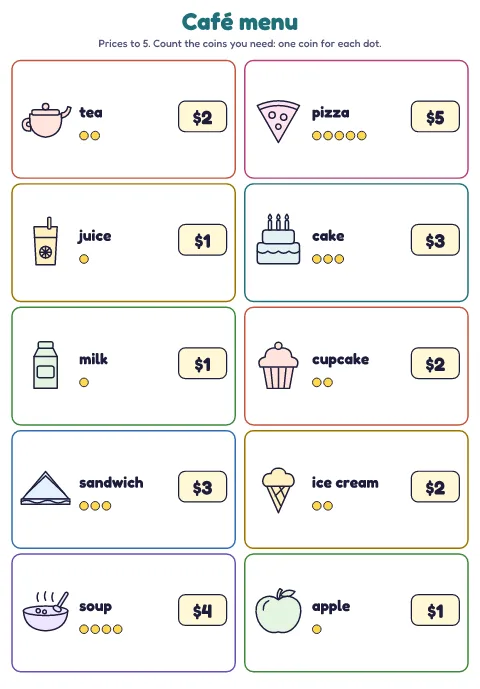


Maths and numbers


Feelings and wellbeing

Fine motor and pre-writing
Identity and belonging


Exploring the world
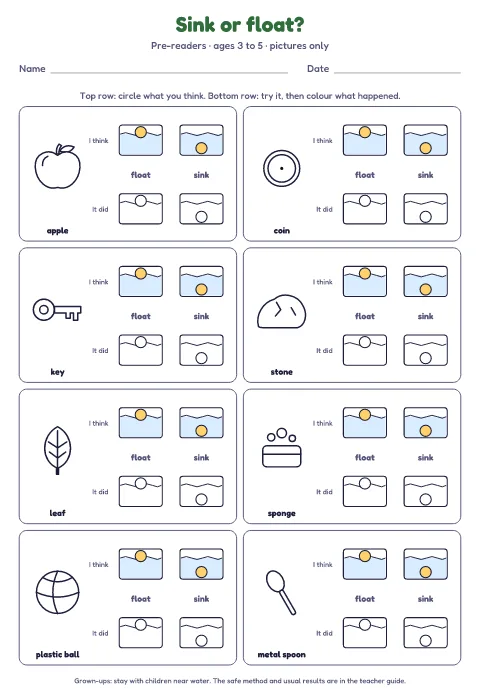
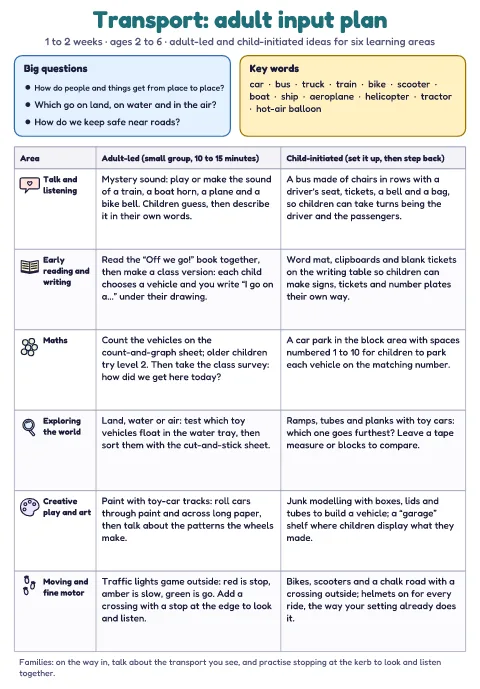
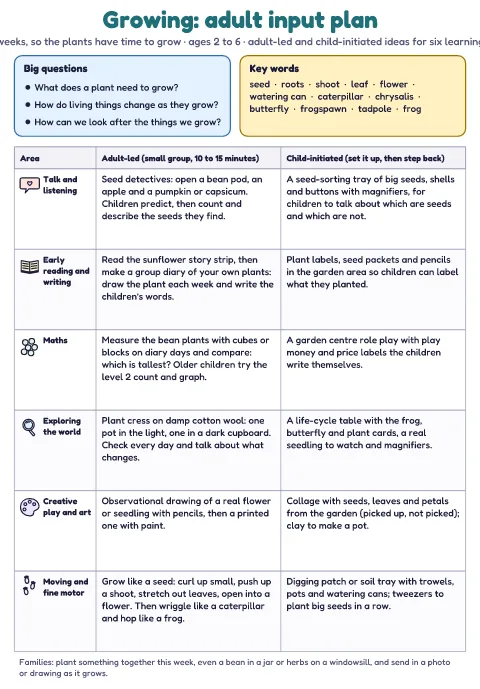
Creative arts
Routines and transitions

See every early-years printable, for all countries, on the early learning hub.
For a whole centre or school
Every page here is free to print for your own room or group. If you want every printable pack from our shop for all your staff, the yearly School membership now covers one school or one early learning centre (kindergarten, preschool, childcare or nursery) at one address, with any number of staff. Centres that need an invoice can ask for a quote.
Questions
Do these resources meet Te Whāriki?
No printable meets a curriculum on its own. Each resource lists the strand it can support; the learning, and the story you write about it, is what matters for assessment.
Are they free for my centre?
Yes. Print as many copies as you need for the children in your service. Please don’t resell them or upload them to another site.
Do you have te reo Māori resources?
Yes: room labels, greetings, shapes, feelings, numbers 1 to 10, days and months, the alphabet and a pepeha template on our te reo Māori page. Every word is checked on Te Aka and a second source; a fluent speaker has not reviewed them yet. We do not publish karakia, waiata or Māori patterns.
What paper size do the PDFs use?
Every printable has an A4 PDF and a US Letter PDF. Choose New Zealand above and A4 comes first.
Sources
Framework names and facts on this page were read from these official pages on 11 November 2026. We quote headings only; read the framework itself for its full wording.
- Curriculum framework, Part A: Te Ara Whānui (Ministry of Education, Sept 2026)
- Early learning curriculum framework (Ministry of Education)
- Te Whāriki, New Zealand’s early learning curriculum (Ministry of Education)
- Ministry of Education: Cohort or group entry for children starting school
- govt.nz: How to enrol your child at school in NZ
- Te Taura Whiri i te Reo Māori: Te Wiki o te Reo Māori
- Ministry for Pacific Peoples: Pacific language weeks
Other countries: Australia, United Kingdom, United States.