 Colouring Nest
Circle-time calendar and weather board for preschool
A free circle-time calendar and weather board for preschool, kindy and the first year of school: a board with pockets for yesterday, today, tomorrow, the date, the season and the weather, cards that fit those pockets, season cards for the southern and the northern hemisphere, twelve weather cards, a weather graph and posters of the days and months. For the rest of the month there is a fill-in month calendar, a linear calendar of 31 days in a line, special day cards and “what should we wear?” cards in New Zealand and Australian, UK and US words. A4 and US Letter PDFs, each with an ink-saver version.
Inside this set
- 14 printables
- A4 and US Letter PDFs
- Colour and ink-saver versions
- Free, no sign-up
About this resource
Ages 3–6, prep, what you need and how to use it
- Ages
- 3 to 6 years (preschool, school start)
- Prep
- About 45 minutes to print, cut and laminate the board and cards.
- You’ll need
- Printer and card
- Scissors
- Laminator
- Blu Tack or Velcro dots
- Supports
- Te Whāriki (NZ), EYLF (Australia), EYFS (England), ELOF (US)
How to use it in the room
- Print the board and card sheets at 100%: every card fits its pocket.
- Each morning a calendar helper moves yesterday, today and tomorrow, then the date, season and weather.
- Colour one box of the linear calendar each day and count the days to a special day.
- Keep it short with the youngest: “Today is…” and the weather is plenty.
Show resources for
Remembered on this device only. It sets A4 or US Letter as the first download.
How the board works
Print the board and the card sheets at 100%: every card is sized to drop into its pocket, so there is nothing to trim to fit. Each morning at mat time a child (your calendar helper) moves yesterday’s card down, puts today in the middle and finds tomorrow, then chooses the date, checks the season and looks out of the window for the weather. Five minutes, every day, and children are practising the order of the days, counting, matching words and talking about what they notice.
Keep it short with the youngest children: “Today is…” and the weather is plenty for two-year-olds; add yesterday, tomorrow and the date as they grow.
Supports:
- Te Whāriki NZ
- Belonging | Mana whenua
- Wellbeing | Mana atua
- Exploration | Mana aotūroa
- Communication | Mana reo
- EYLF Australia
- Outcome 1: Children have a strong sense of identity
- Outcome 3: Children have a strong sense of wellbeing
- Outcome 4: Children are confident and involved learners
- Outcome 5: Children are effective communicators
- Outcome 2: Children are connected with and contribute to their world
- EYFS England
- Personal, social and emotional development
- Mathematics
- Understanding the world
- ELOF US
- Social and Emotional Development
- Approaches to Learning
- Cognition
1. Calendar board
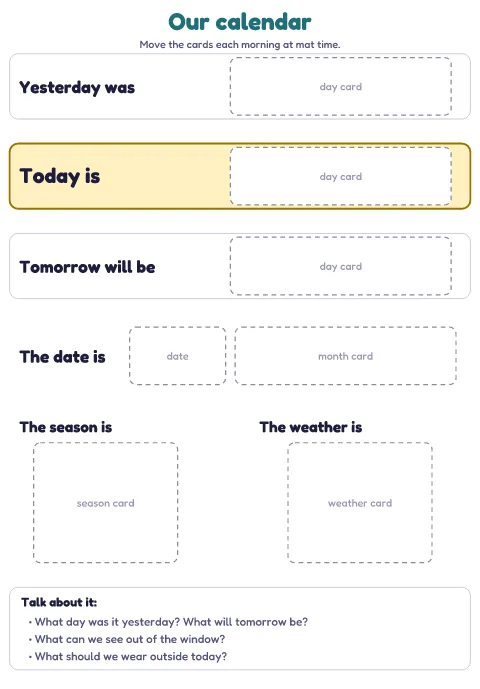
One page with labelled pockets: Yesterday was, Today is (highlighted), Tomorrow will be, The date is (date and month), The season is and The weather is, plus three talk-about-it questions. Stick it on card or a board and use hook-and-loop dots in each pocket.
2. Day cards
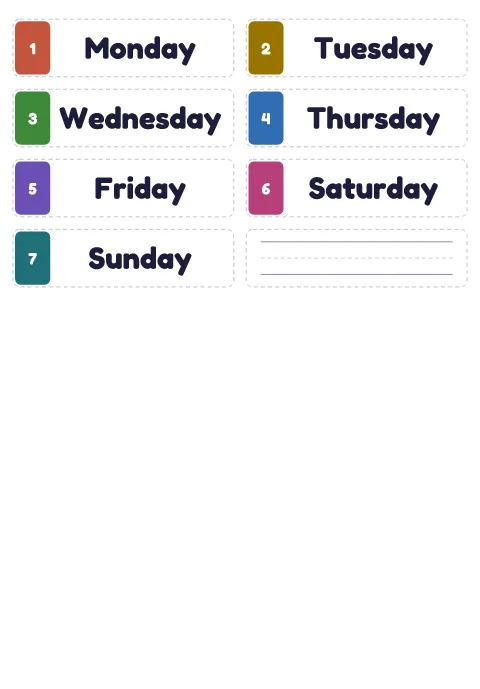
Seven cards, Monday to Sunday, each with a number tab in its own colour, matching the days poster, plus a blank card for a special day such as a trip or a pyjama day.
3. Month cards
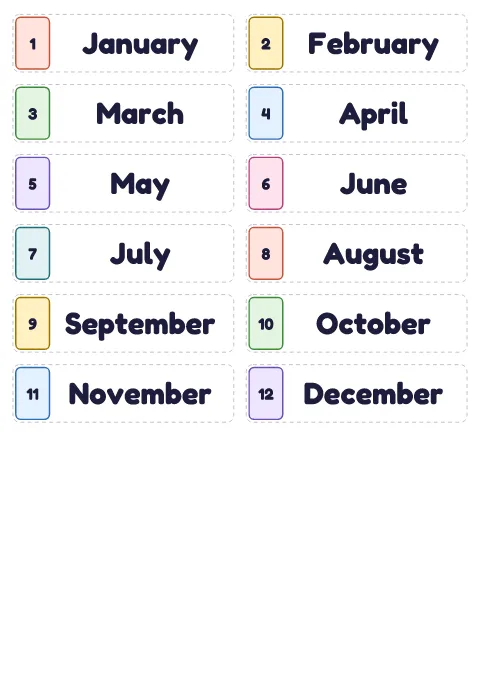
Twelve month cards numbered 1 to 12 on one page, the same size as the day cards.
4. Date cards 1 to 31
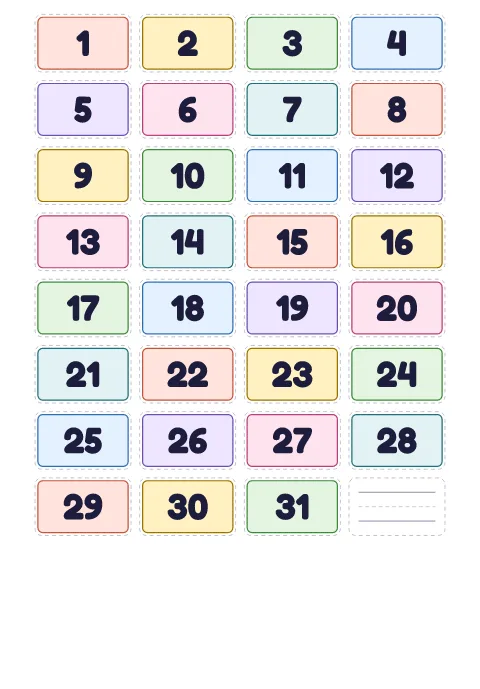
Thirty-one numbers in large print, four to a row, plus a blank. Older children can count how many days have passed and how many are left in the month.
Advertisement
5. Season cards: southern hemisphere
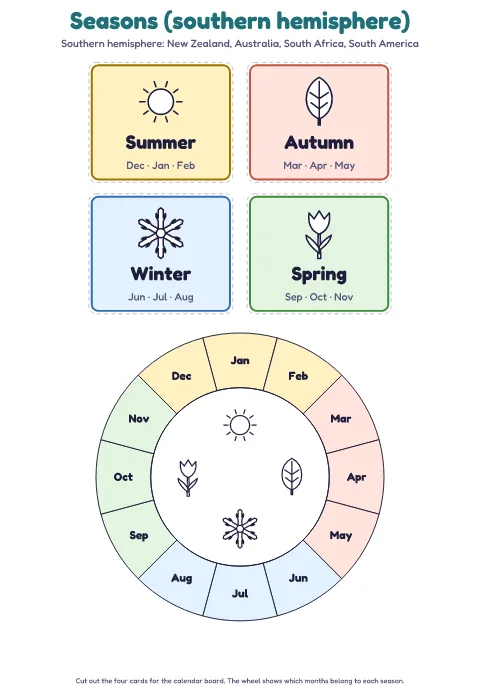
For New Zealand, Australia, South Africa and South America: summer is December, January and February. Four cards for the board and a wheel of the twelve months coloured by season, so children see that seasons come round again.
6. Season cards: northern hemisphere
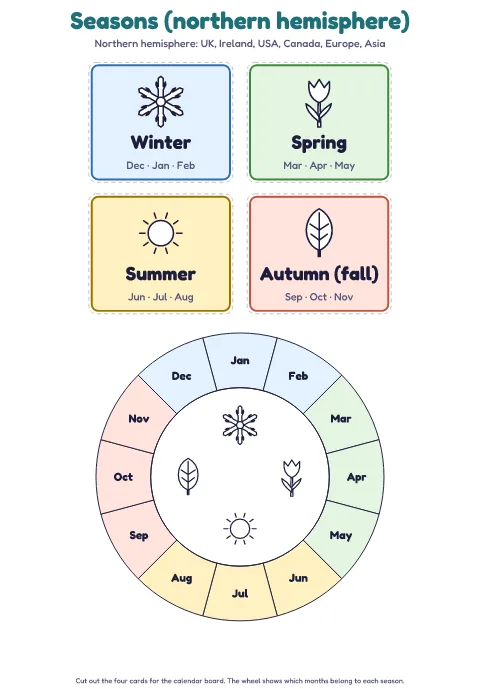
For the UK, Ireland, the US and Canada: winter is December, January and February; the autumn card also says “fall”. Most free season charts only come this way round, which is wrong for half the world; pick the version for where you live.
7. Weather cards (12)
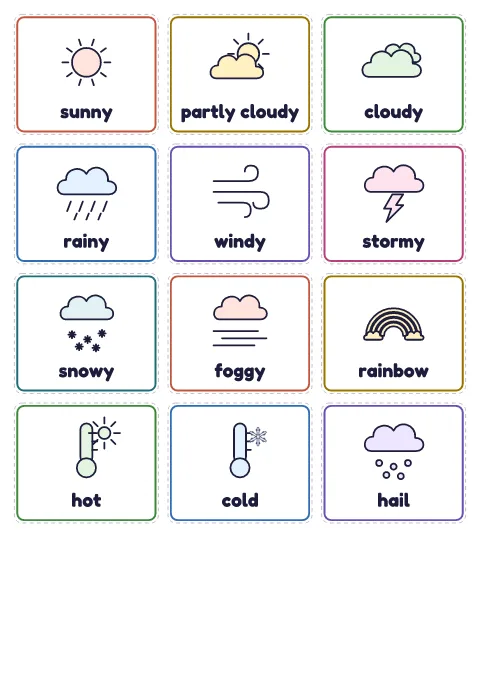
Twelve weather cards that fit the board: sunny, partly cloudy, cloudy, rainy, windy, stormy, snowy, foggy, rainbow, hot, cold, hail. Each picture is our own line drawing, simple enough for a two-year-old to match to the sky.
8. Weather graph
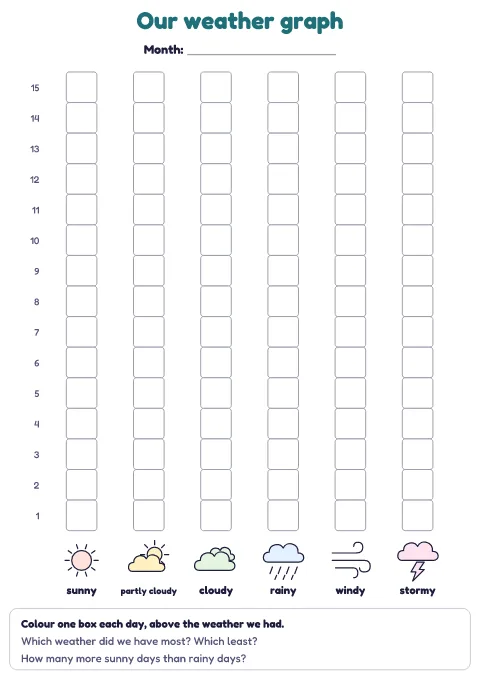
Colour one box each day above the weather you had. At the end of the month, compare the columns: which weather did we have most? How many more sunny days than rainy days? Early statistics with a real question behind it.
9. Days of the week poster
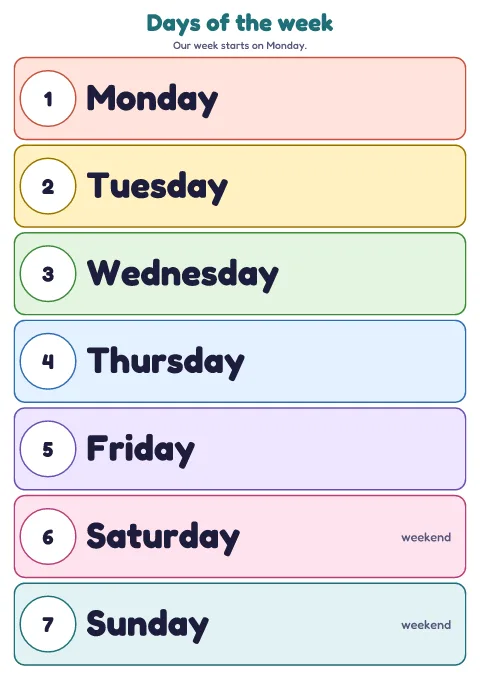
Seven coloured bands numbered 1 to 7, with the weekend marked. The A4 version starts on Monday (as in New Zealand, Australia and the UK); the US Letter version starts on Sunday, as US calendars do.
10. Months of the year poster
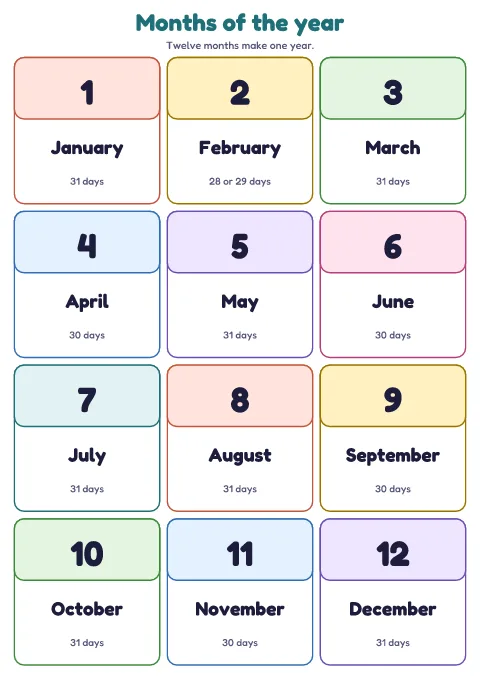
Twelve tiles numbered 1 to 12 with the number of days in each month (“28 or 29” for February). Pair it with the 2027 printable calendars for term dates.
11. Fill-in month calendar
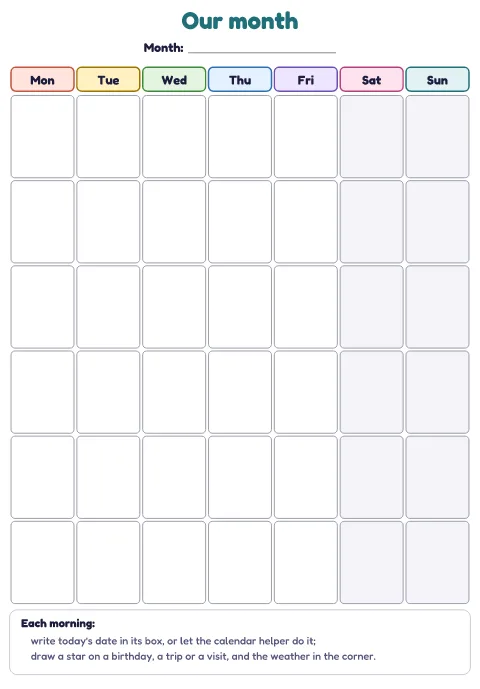
A blank month for the board: write the month name, then each morning the calendar helper writes today’s date in its box (or sticks a date card beside it) and draws a star on a birthday, a trip or a visit. The A4 version starts on Monday and the US Letter version on Sunday, like the days poster; weekends are shaded so children see the pattern of the week.
12. Linear calendar: the month in a line
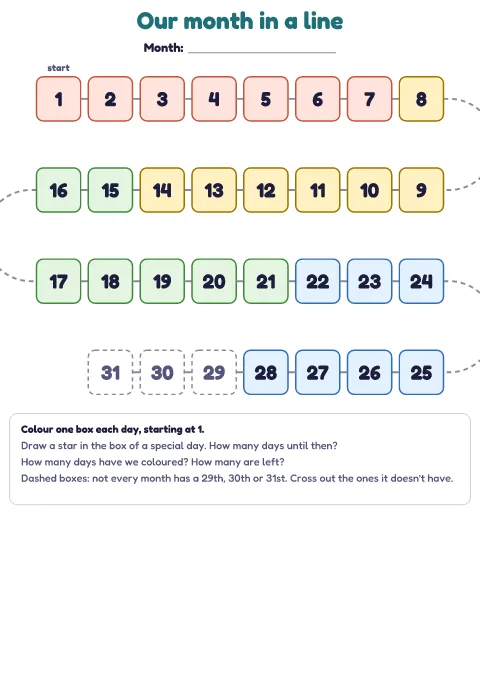
Thirty-one numbered boxes in one winding line, the way a month really runs, without the jump from Saturday back to Monday that a grid has. Colour one box each morning, draw a star on a day you are waiting for, and count: how many days until the trip? How many are left? The 29th, 30th and 31st are dashed, so children cross out the days a short month doesn’t have.
13. Special day cards
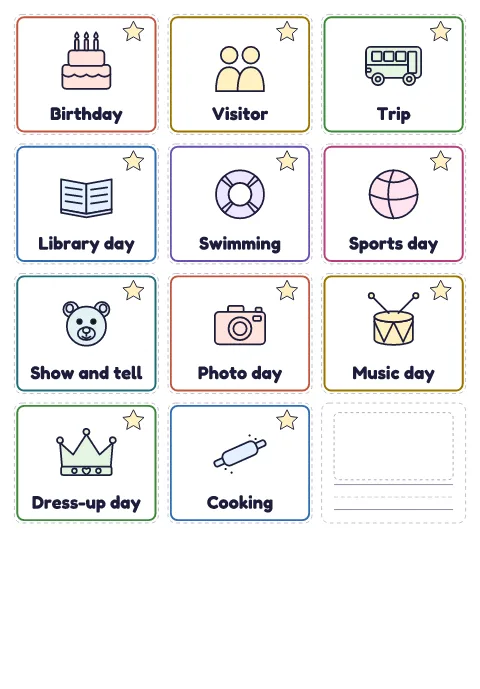
“Today is special” cards the same size as the weather cards: birthday, visitor, trip, library day, swimming, sports day, show and tell, photo day, music day, dress-up day, cooking, and a blank card for your own (a dentist visit, a new baby, a cultural celebration). Put one beside the board the day before, so children know a change is coming.
14. What should we wear today?
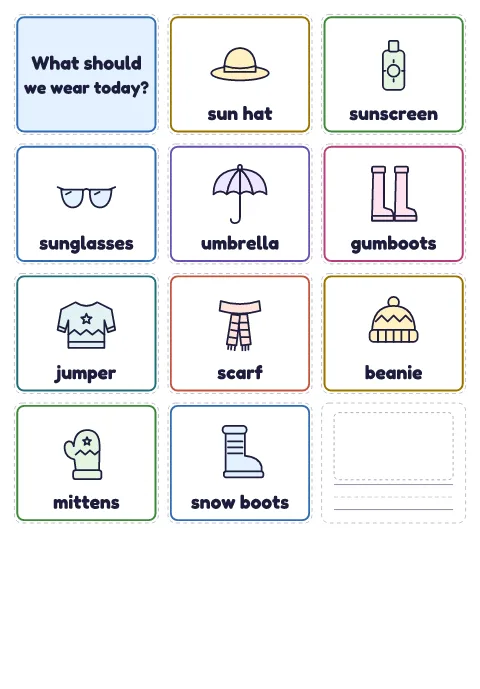
A header card and ten clothing cards (sun hat, sunscreen, sunglasses, umbrella, gumboots, jumper, scarf, beanie, mittens, snow boots) plus a blank, the same size as the weather cards, for the question after “What is the weather?”. The words for boots, hats and sunscreen differ by country, so there are three versions: New Zealand and Australian words, UK words (wellies, sun cream, woolly hat) and US words (rain boots, sweater, winter hat).
What to wear cards PDF (A4)What to wear cards PDF (US Letter)
Ink saver (A4)Ink saver (US Letter)
For New Zealand services
Days and months in te reo Māori are on our days and months page (both sets of names); weather words (huarere) and seasons with their months are in the te reo Māori classroom displays.
The rest of the room set: classroom labels and area signs, self-registration, welcome banner and birthday chart, helper chart and routine charts, te reo Māori classroom displays. For routines and feelings, see the visual timetable; for everything else for ages 0 to 6, early learning by country.
Related sets
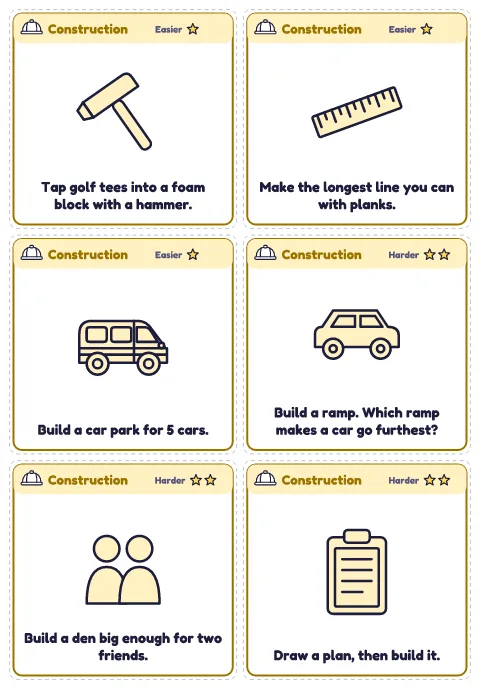 Continuous provision challenge cards for 10 play areasCards · ages 3–5
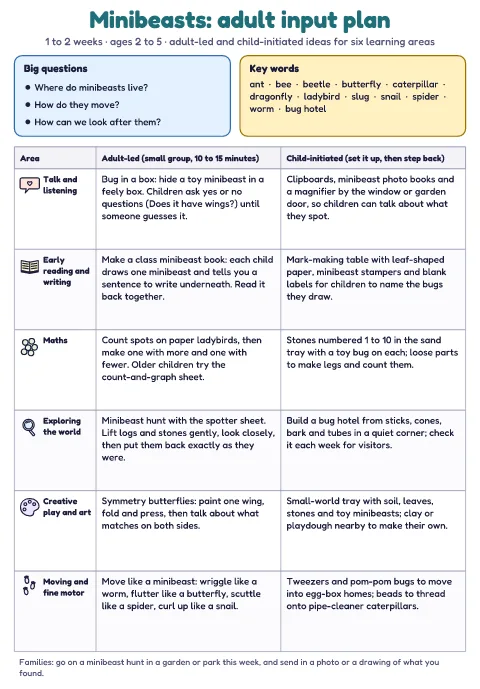 Minibeasts topic pack: adult input plan, word cards, sheetsTemplates · ages 2–5
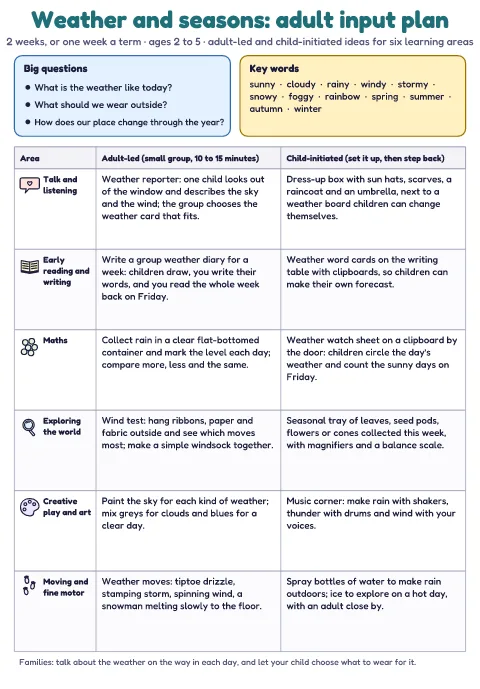 Weather and seasons topic pack (both hemispheres)Templates · ages 2–5
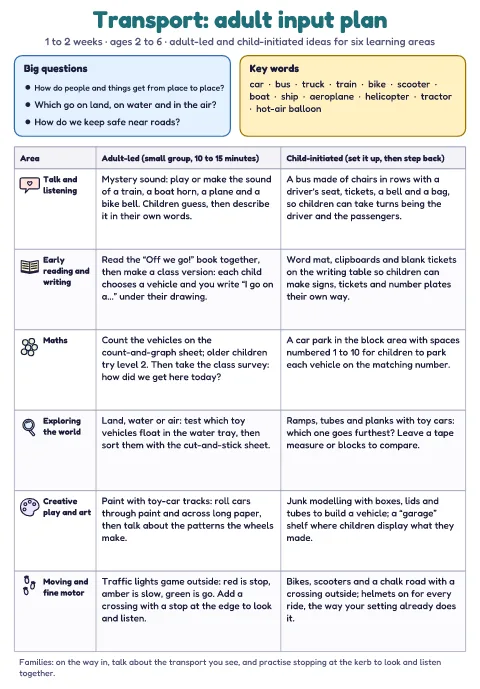 Transport topic pack: plan, word cards, road safety, sortsTemplates · ages 2–6
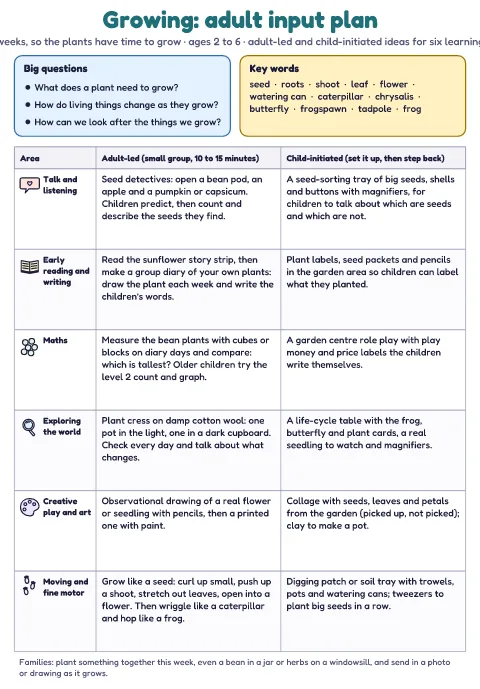 Growing topic pack: plant, butterfly and frog life cyclesTemplates · ages 2–6
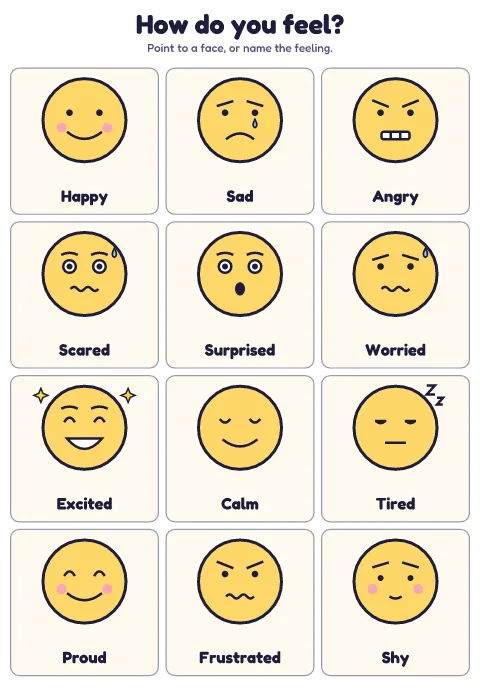 Visual timetable, now and next and feelings chartDisplays and charts · ages 2–6
Questions
What goes on a preschool calendar board?
The day (with yesterday and tomorrow), the date and month, the season and the weather. Our board has a pocket for each, and every card is sized to fit.
Which months are summer in New Zealand and Australia?
December, January and February. Autumn is March to May, winter June to August and spring September to November; the northern hemisphere is the other way round.
Why does the US Letter days poster start on Sunday?
US calendars put Sunday first. New Zealand, Australia and the UK start the week on Monday, so the A4 poster does.
Is there a black-and-white version?
Yes. Every resource on this page has an ink-saver version with no tints, only outlines.
What is a linear calendar for preschool?
A month shown as one line of numbered days instead of a grid of weeks. Young children colour one box a day and can see how far through the month they are and how many days are left until something they are waiting for.
Are these free?
Free for your own centre, kindergarten, school, class and family. Please don’t resell them or upload them to another site.